The Importance of Quality Catering Equipment
In the fast-paced world of catering, the right tools can make or break an event. Quality catering equipment not only enhances the presentation of food but also ensures that services run smoothly and efficiently. As we look forward to 2026, it's crucial for caterers to understand their specific needs and how to meet them with the right equipment. When exploring options, Catering equipment plays a pivotal role in this journey, shaping the overall dining experience for clients and guests alike.
Understanding Catering Equipment Needs
Catering needs vary dramatically depending on the type of event—be it weddings, corporate functions, or private parties. A caterer must first assess the size and scale of the event, which dictates the quantity and type of equipment required. For smaller gatherings, basic utensils and serving dishes may suffice. However, larger events demand more specialized equipment, such as chafing dishes, portable bars, and food warmers, to manage food safety and presentation standards effectively.
Additionally, understanding the cuisine being served plays a critical role. For instance, a wedding banquet may require elegant serving platters and sophisticated equipment, while a casual picnic might call for disposable solutions. This contextual analysis can help caterers plan adequately and avoid last-minute scrambling for essentials.
Key Items Every Caterer Should Have
Every caterer needs a toolkit of essential items that address various aspects of service. Here are some key categories:
- Cooking Equipment: Ranges, ovens, and portable cooktops should be prioritized for preparation.
- Serving Equipment: Chafers, buffet servers, and beverage dispensers improve food presentation.
- Tableware: Quality plates, glasses, and cutlery are vital for ensuring a polished dining experience.
- Food Transport: Insulated carriers and food storage solutions are necessary for maintaining temperature control during transit.
Investing in reliable equipment within these categories can enhance efficiency and service quality, ultimately leading to happier clients and repeat business.
Investing in Professional Equipment for Success
The initial cost of quality catering equipment can be daunting, but the long-term benefits outweigh this concern. High-quality items reduce the likelihood of malfunctions, decreasing unexpected costs associated with last-minute replacements. Furthermore, durable equipment often results in better food presentation, ultimately affecting customer satisfaction and retention. Caterers should consider investing in well-reviewed brands and models that offer warranties and good customer support, ensuring peace of mind and reliability during events.
Comparing Catering Equipment Options
With numerous options available, making the right choice can be overwhelming. Understanding the differences between commercial and residential equipment can help caterers streamline their purchasing process as they prepare for 2026.
Commercial vs. Residential Catering Equipment
Commercial catering equipment is designed for heavy use, built to withstand the demands of high-volume services. This includes items like large capacity ovens and robust food warmers, essential for catering events with hundreds of guests. In contrast, residential catering equipment might include smaller, less durable tools suitable for occasional use at home. While residential equipment can be lower in cost, it often lacks the versatility and longevity associated with commercial-grade options.
Caterers aiming for growth should prioritize commercial equipment to ensure they are well-equipped to handle larger events while maintaining quality.
New Trends in Catering Equipment for 2026
The catering equipment industry is ever-evolving, with new innovations set to transform how services are delivered. Key trends for 2026 include:
- Smart Equipment: High-tech solutions with IoT integration allow for real-time monitoring of food temperatures and service status, improving efficiency.
- Eco-Friendly Materials: Sustainability remains paramount, with equipment made from biodegradable or recyclable materials gaining popularity among conscientious caterers.
- Compact Equipment Designs: Space-saving designs are increasingly important for caterers who operate in venues with limited storage.
By staying informed about these trends, caterers can make proactive decisions that enhance service delivery and resonate with environmentally conscious clients.
Choosing Between Rental and Purchase
One critical decision catering professionals face is whether to rent or purchase equipment. Each option has its pros and cons. Renting allows for flexibility, especially for one-off events, and spares caterers from large upfront costs. However, over time, renting can become more expensive than purchasing, particularly for equipment that is used frequently.
Purchasing equipment provides a sense of ownership and reliability, ensuring that the caterer is accustomed to using the tools effectively. As they evaluate catering needs and budgets, professionals should weigh these factors against the type of events they cater.
Best Practices for Utilizing Catering Equipment
Once caterers have secured the right equipment, knowing how to use and maintain it effectively is crucial for operational success. Following best practices can extend equipment lifespan and improve service quality.
Essential Maintenance Tips for Longevity
Regular maintenance is key to ensuring catering equipment remains functional and safe. Here are some essential tips:
- Regular Cleaning: Thoroughly cleaning equipment after each use prevents the buildup of food debris and grease, which can lead to malfunctions.
- Inspection: Routinely check equipment for any signs of wear or damage, addressing issues immediately to prevent larger, costly repairs.
- Professional Servicing: For complex equipment, consider scheduling professional check-ups annually to maintain performance standards.
By adopting these practices, caterers can extend the usability of their tools and ensure compliance with health and safety regulations.
Maximizing Efficiency with Proper Setup
The way equipment is set up can significantly impact service efficiency. Caterers should consider the flow of service when arranging their setup:
- Logical Flow: Arrange stations in a logical sequence that matches the order of service, minimizing movement during high-pressure situations.
- Accessibility: Ensure that all necessary equipment is easily accessible to staff, reducing downtime and potential bottlenecks in service.
- Safety Protocols: Implementing safety protocols ensures all staff are trained to operate equipment correctly, reducing accidents and ensuring a smooth operation.
Efficient setups can lead to a smoother operation, resulting in improved service delivery and client satisfaction.
Innovative Techniques for Food Presentation
In catering, presentation can significantly influence client perception. Using innovative techniques can enhance the overall dining experience:
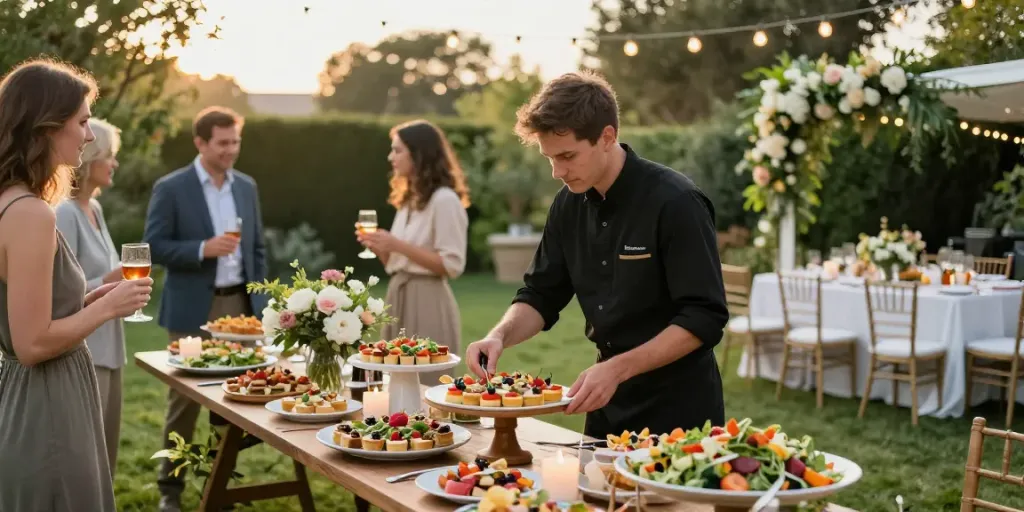
- Unique Serving Styles: Embrace different serving styles, such as shared platters, that encourage interaction among guests.
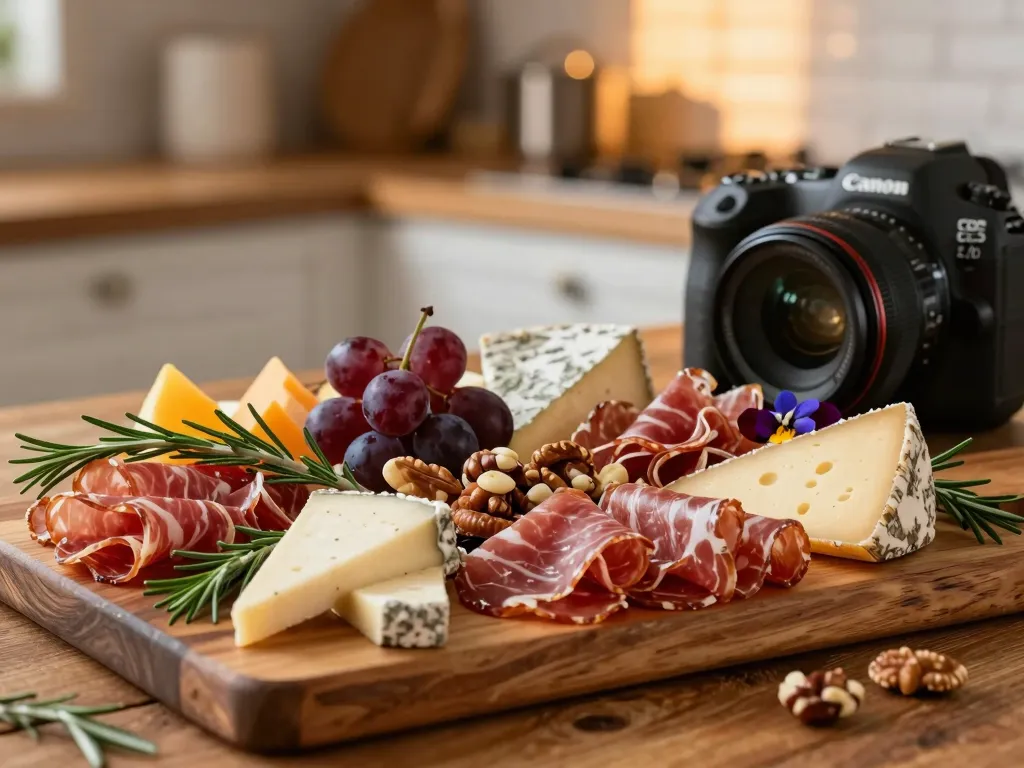
- Visual Appeal: Use vibrant garnishes and creatively arranged food displays to draw attention to dishes.
- Interactive Stations: Consider live cooking or assembly stations that engage guests and create a unique experience.
These techniques help elevate an event from ordinary to extraordinary, making a lasting impression on guests.
Common Challenges with Catering Equipment
Despite careful planning and investment, caterers may face challenges related to their equipment. Understanding and preparing to tackle these challenges can help ensure success.
Overcoming Equipment Malfunctions
Equipment failures can lead to disastrous outcomes during events. It’s essential to have a contingency plan in place:
- Backup Equipment: Keep essential backup items on hand, such as spare serving utensils or portable cooktops, to address unexpected issues.
- Quick Response Training: Train staff on how to address common malfunctions quickly to minimize disruptions.
- Supplier Relationships: Establish relationships with suppliers who can provide emergency replacements or repairs on short notice.
Through proactive planning, caterers can mitigate the impact of unexpected equipment issues on their service quality.
Budgeting for Quality Equipment
Budgeting for catering equipment is an essential aspect of running a successful business. Caterers should consider the following strategies to manage costs effectively:
- Long-term Investments: Focus on purchasing durable, high-quality equipment that will save money over time by reducing replacement needs.
- Prioritization: Identify priority items that are essential versus those that can wait, allowing for a phased approach to purchasing.
By being strategic about budgeting, caterers can ensure they invest wisely while still acquiring the necessary equipment to meet their clients' demands.
Mistakes to Avoid When Choosing Equipment
When selecting catering equipment, several common pitfalls can lead to regret. Avoid the following mistakes:
- Overlooking Quality: It can be tempting to choose cheaper options, but quality should never be sacrificed for price alone.
- Ignoring Reviews and Recommendations: Failing to research products or heed the advice of experienced peers can lead to the risks of purchasing ineffective equipment.
By being mindful of these issues, caterers can make informed decisions that will serve their business well in the long run.
Future Trends in Catering Equipment and Services
Looking ahead, the catering industry will face new challenges and opportunities as technology and consumer preferences evolve. Staying ahead of these trends will be crucial for success.
Technology Integration in Catering Equipment
The integration of technology in catering equipment is a game-changer. Smart devices that track food temperatures, inventory systems that manage supplies, and payment processing technologies streamline operations and enhance service quality. By adopting these innovations, caterers can improve accuracy and efficiency, leading to enhanced customer satisfaction and reduced waste.
Eco-Friendly Options for Sustainable Catering
As consumers become more environmentally conscious, eco-friendly catering practices are gaining traction. Utilizing equipment that supports sustainable practices, such as compostable serving ware and energy-efficient appliances, can appeal to this audience. Furthermore, integrating local sourcing into catering menus reduces carbon footprints, aligning with clients’ values.
Predictions for the Catering Industry by 2026
By 2026, the catering industry is likely to see significant shifts influenced by consumer behavior and technological advancements. Key predictions include:
- Increased Demand for Customization: Clients will expect more personalized services, driving caterers to adapt their offerings accordingly.
- Growth of Virtual Catering Solutions: As remote events continue to rise, catering packages for virtual gatherings are expected to flourish.
Understanding these trends will equip catering professionals with the insights needed to navigate the competitive landscape effectively.
What equipment do caterers need?
Caterers need a variety of equipment depending on the scale and type of events they handle, including cooking equipment, serving essentials, and temperature control solutions.
What equipment is needed for a catering business?
A catering business typically requires high-capacity cooking tools, serving displays, transport containers, and safety equipment to ensure high-quality food service.
What are catering items?
Catering items encompass a wide range of products, including serving utensils, food containers, buffet setups, and tableware essential for delivering a complete dining experience.