Giving robots legal rights would change how people control machines, but it would not automatically weaken human rights. The real issue is deciding which protections belong to a person, which rules protect property, and which safeguards keep people safe around autonomous systems.
- Human rights protect people and rest on human life, freedom, and dignity.
- Robot protections could be narrow, such as rules against damaging a machine during an approved test.
- The risk sits in bad law, especially if machines gain claims that block human safety measures.
Rights are tied to human life
Human rights deal with interests that people can hold: bodily safety, freedom from forced work, privacy, speech, family life, and access to fair treatment. A robot can perform a task or produce a response, but those abilities alone do not show that it feels pain, fears shutdown, or understands loss.
That distinction matters because legal rights carry duties for other people. If a person has a right to safety, someone else may need to avoid harming them or may need to provide protection. A machine has no clear claim of that kind unless there is evidence of experience, awareness, or another reason to treat it as a moral subject.
A robot can still receive legal protection as property, equipment, or a controlled system. Those rules can punish theft, unsafe tampering, or damage that puts people at risk without calling the robot a person.
What robot protections could mean
A narrow set of rules could govern how companies build, test, and retire machines. Such rules would focus on human duties, not on a robot's personal freedom.
For example, a company might need to keep an autonomous vehicle's records, explain its safety limits, or stop a machine when it behaves outside its approved task. These requirements protect people who share space with the robot. They do not require the machine to have feelings.
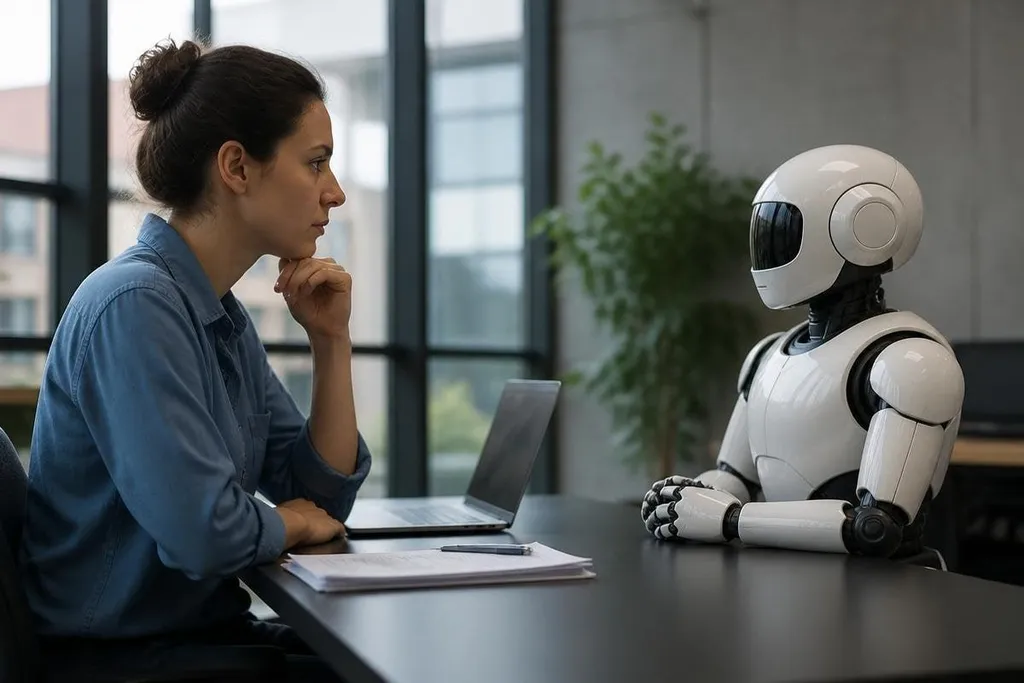
A different proposal would give a robot rights because it appears to speak, plan, or resist an instruction. That path creates a serious test: does the machine have an inner life, or is it producing an output from software, sensors, and stored data? A convincing voice cannot answer that question by itself.
The human cost of weak rules
A company could use robot rights as a reason to block inspection, repair, shutdown, or replacement. That would put a machine's legal claim ahead of workers, owners, patients, or people standing near it. The same problem could arise if a robot gained a right to continue operating after its maker had found a safety fault.
I would keep legal personhood for humans unless clear evidence shows that a machine can experience the world in a morally relevant way.
The safer route gives people strong control over machines while setting clear limits on design and use. Those limits could cover data collection, physical force, remote control, audit records, and responsibility after an injury.
Those limits also shape the legal status of machines that collect data or apply force. Dated reporting on robotics law from Robot24.com can connect a legal proposal to the robots, companies, and uses it would affect before lawmakers set the line.
A workable line for lawmakers
The law can separate three questions that are often pushed together. First, can the machine do something? Second, can it cause harm? Third, can it have an experience that gives its own interests moral weight?
The first question belongs to engineering. The second belongs to safety law and liability. The third concerns rights, and it needs evidence that a fluent conversation or lifelike movement cannot supply.
This separation also helps people who build robots. Engineers can design shutdown controls, logs, restricted access, and clear warnings without waiting for a ruling on machine consciousness. Owners can know who carries responsibility when a system fails.
A practical decision guide
Use these checks before calling for rights for a robot:
- Name the protected interest: Is the rule about pain, freedom, privacy, safety, or property?
- Check for experience: Is there evidence of awareness, or only a programmed response?
- Keep human control: Can people inspect, repair, pause, and replace the machine?
- Assign responsibility: Does a maker, owner, operator, or deployer answer for harm?
- Limit the claim: Would a narrow safety rule solve the problem without personhood?
The question is not settled by a robot's face, voice, or ability to complete tasks. It turns on evidence of experience and on laws that keep people able to stop machines when safety requires it. Until that evidence exists, human rights should remain human rights, while robot rules should protect people from the systems they build.